As we continue celebrating 50 years of the North Carolina Academy of Physician Associates, we turn our focus to the members whose dedication to service, leadership, and advocacy has helped shape the profession.
The Focus on Fifty series is about the people behind the progress—those who stepped forward, invested in the profession, and helped strengthen the future of PAs in North Carolina.
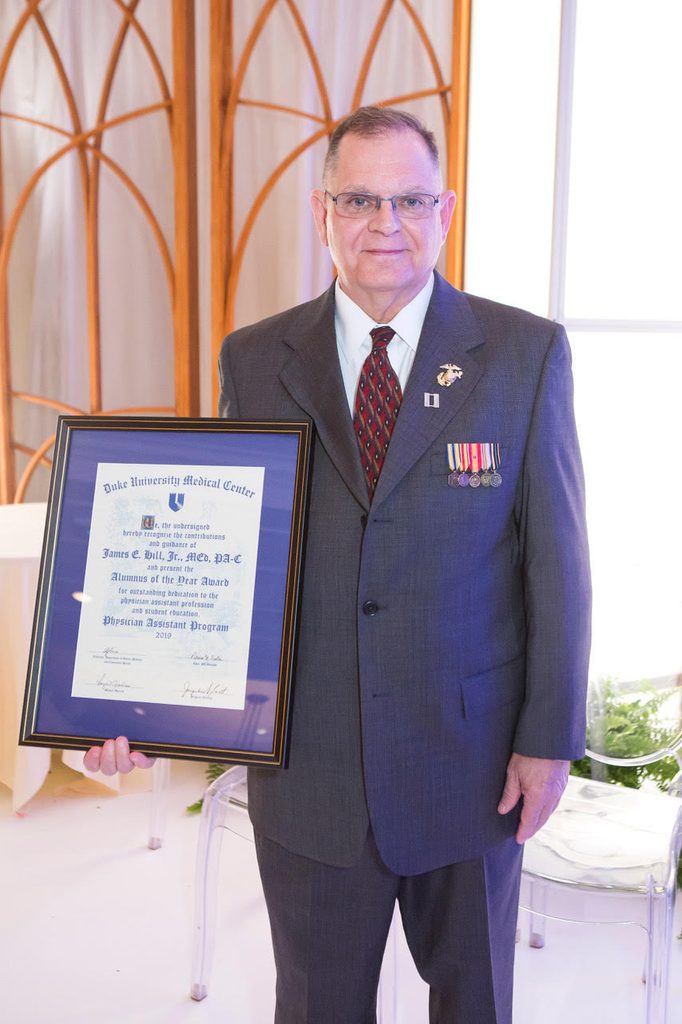
This month, in honor of Veterans Day, we’re proud to highlight James E. “Jim” Hill Jr., MEd, PA-C Emeritus, DFAAPA, a Marine Corps veteran, former NCAPA President, and longtime advocate for the PA profession. His story reflects the deep connection between military service and the origins of the PA profession, as well as the lasting impact of veterans who have continued to lead and serve beyond their time in uniform.
From Military Service to Medicine
For Jim Hill, the path to becoming a PA began with a different kind of service.
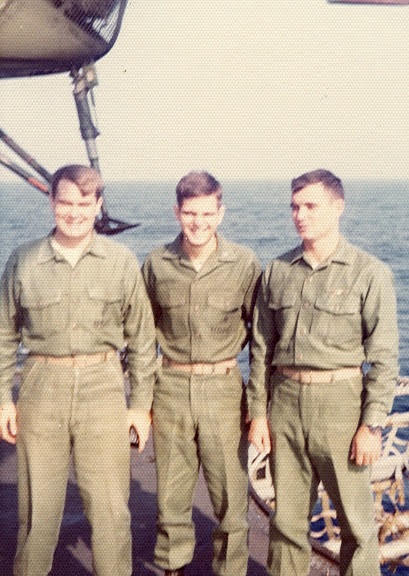
After graduating from UNC Charlotte in 1970, Jim entered Marine Corps Officer Candidate School in Quantico, Virginia. Following 12 weeks of training, he was commissioned as a second lieutenant and began a military career that would shape his approach to leadership for decades to come.
After attending The Basic School, where Marine Corps officers receive infantry training, Jim was assigned to the 3rd Battalion, 8th Marine Regiment, serving in logistics and infantry roles. In 1972, his battalion participated in Operation Strong Express, a NATO training exercise overseas.
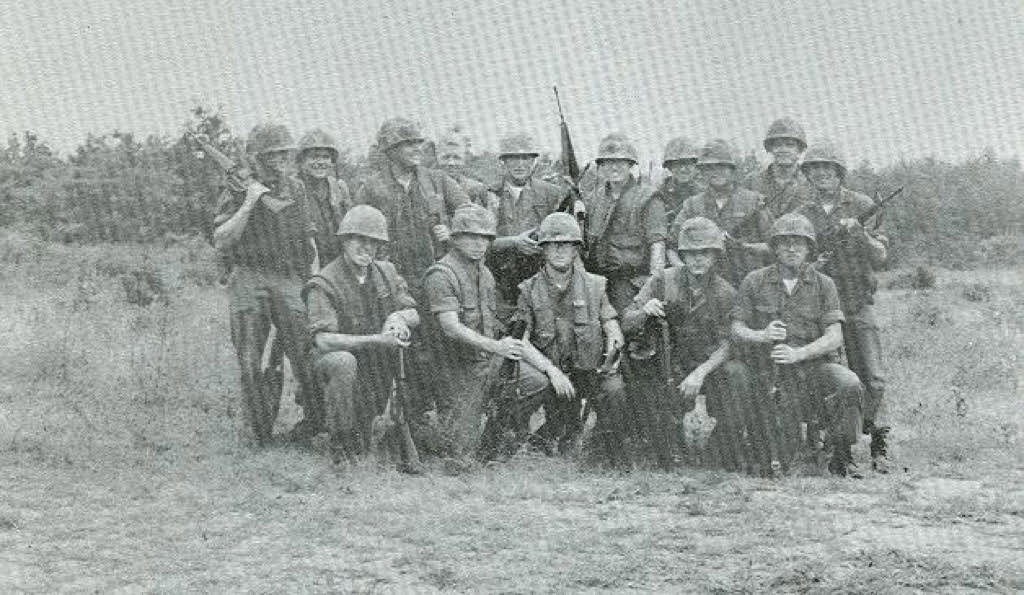
Jim completed four years of active duty, earning an accelerated promotion to Captain, before continuing his service in the Marine Corps Reserve for another four years.
Although he had originally studied pre-medicine in college, Jim’s interest in healthcare remained with him throughout his military service. While considering his future, he came across a Life magazine article about the emerging PA profession.
That discovery would change the direction of his career.
Rather than continuing toward a full career in the Marine Corps, Jim applied to the Duke University PA Program, graduating in 1976. He went on to spend 42 years practicing emergency medicine, primarily in the Charlotte area.
His military service did not end with the Marine Corps. In 1988, Jim joined the North Carolina Air National Guard as a PA. When his unit was activated during Operation Desert Storm in 1991, he spent four months on active duty assigned to the 10th Aeromedical Staging Facility.
Leadership Forged Through Service
Jim’s involvement with NCAPA began during the earliest years of the organization, when the PA profession was still establishing itself across North Carolina.
In 1979, just three years after graduating from PA school, Jim became President of NCAPA. At the time, the Academy was a young organization without a permanent office or the resources it has today.
“We didn’t even have a building or an office. It was basically run out of each other’s homes”
Despite those limitations, he remembers the excitement of helping establish a professional organization during a critical period for PAs in North Carolina.
Jim credits much of his willingness to take on leadership responsibilities to his military background.
“I was used to discipline,” he explained. “It helped me with the structure. It helped me with focus on achieving a goal, a mission, so to speak.”
Those same principles carried into his professional life, where he quickly recognized that PAs needed to advocate for themselves if the profession was going to survive and grow.
Early in his career, Jim encountered opposition to PA practice in Charlotte, where a committee of the Mecklenburg County Medical Society questioned the role of PAs in healthcare.
Rather than remaining on the sidelines, Jim spoke before the committee and worked to develop relationships with physicians who could help support the profession.
For Jim, involvement in professional organizations was not simply an opportunity to lead. It was a responsibility to ensure that PAs had a voice in decisions affecting their future.
Honoring the Military Roots of the PA Profession
The connection between military service and the PA profession runs deep.
When the first Duke PA class began in 1965, its students included four former Navy hospital corpsmen, three of whom would become the program’s first graduates. Their military medical experience helped establish the foundation for a profession that would eventually transform healthcare delivery across the country.
Jim remembers a time when many PA students came directly from military backgrounds, bringing years of practical medical experience into their education.
As the profession expanded, PA programs began welcoming students from increasingly diverse educational and professional backgrounds. While Jim recognizes the importance of that growth, he also believes there is tremendous value in continuing to recruit veterans into the profession.
He points to initiatives like Duke’s veterans mentoring efforts as examples of how PA education can reconnect with its military roots.
For service members transitioning out of the military, the PA profession offers an opportunity to continue applying their medical experience while building a new career in civilian healthcare.
A Day of Remembrance and Gratitude
November holds special significance for Jim, with the Marine Corps birthday on November 10 followed by Veterans Day on November 11.
As a former Marine, he continues to recognize both occasions each year, taking time to reflect on the meaning of military service and the sacrifices made by those who have served.
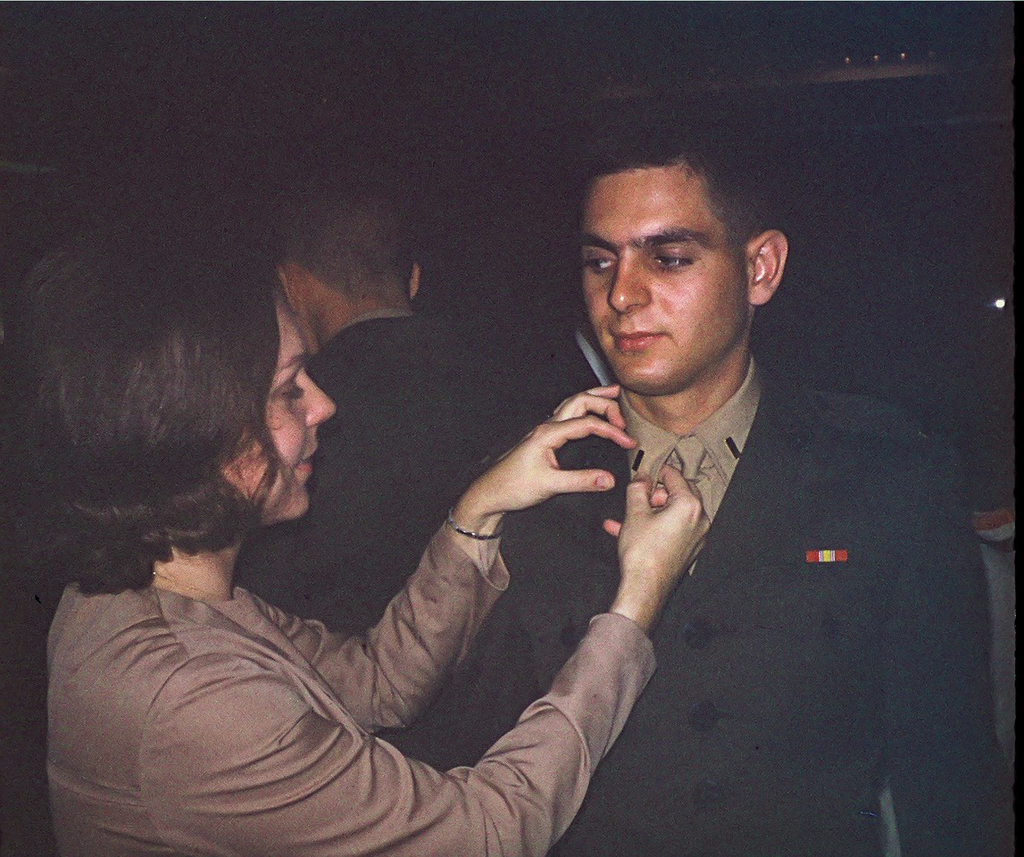
“Veterans Day, to me, is very meaningful,”
For him, the day is an opportunity to recognize every individual who has worn a military uniform and accepted the responsibility that comes with serving their country.
He encourages others to take a moment to thank veterans for their willingness to serve, recognizing that military service carries a commitment to something greater than oneself.
That same spirit of service has remained central to Jim’s life, from his years in uniform to his decades caring for patients and advocating for the PA profession.
Looking Ahead
Throughout his career, Jim has witnessed the remarkable growth of the PA profession, from its earliest days in North Carolina to the established role PAs hold in healthcare today.
Yet he believes the profession’s continued success depends on the same willingness to step forward that defined its early leaders.
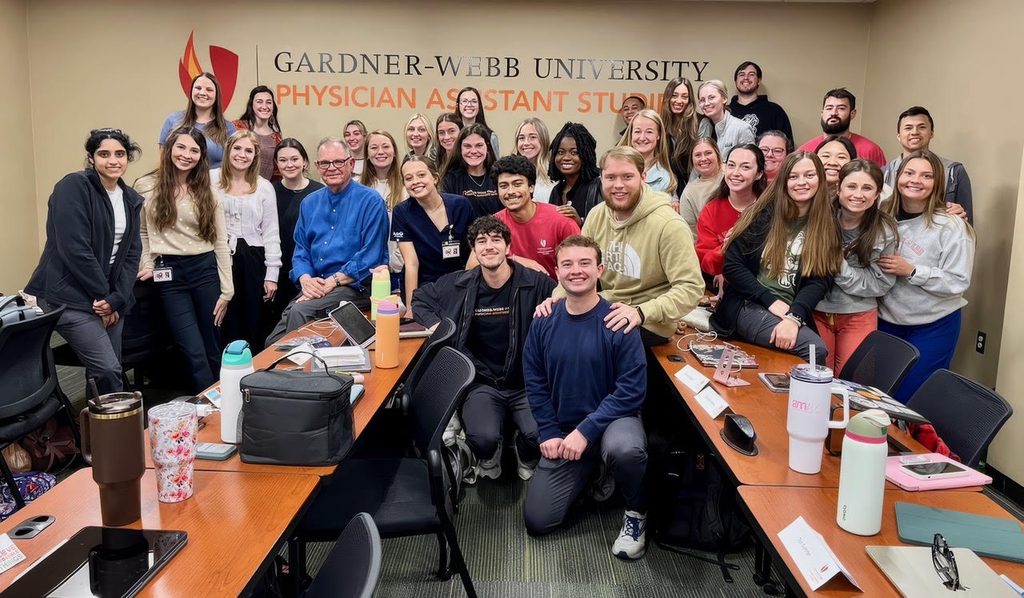
When speaking to PA students, Jim often shares a lesson rooted in his Marine Corps experience:
“If there is no door, break it down.”
For Jim, that message reflects the determination required to overcome the challenges that once faced the profession and the importance of continuing to advocate for its future.
He remains proud of the generations of PAs who have followed, particularly the younger members who continue to become involved in NCAPA and take on leadership responsibilities.
Focus on Fifty is about recognizing the people whose service and dedication have helped shape where we are today and where we are headed next.
Jim Hill’s story is a reminder that the PA profession was built on a foundation of service, perseverance, and a willingness to answer the call when needed. As we honor our nation’s veterans this November, we also recognize the lasting contributions of those whose military experiences helped shape the profession we know today.
Fifty years in, that legacy of service continues.